Spardha Chaturvedi — Author & Inclusive Education Advocate
Author · Early Childhood Educator · Inclusive Education Advocate · Designer · Sign Language Practitioner
The one thought
Put yourself in
the child’s shoes.
Introduction
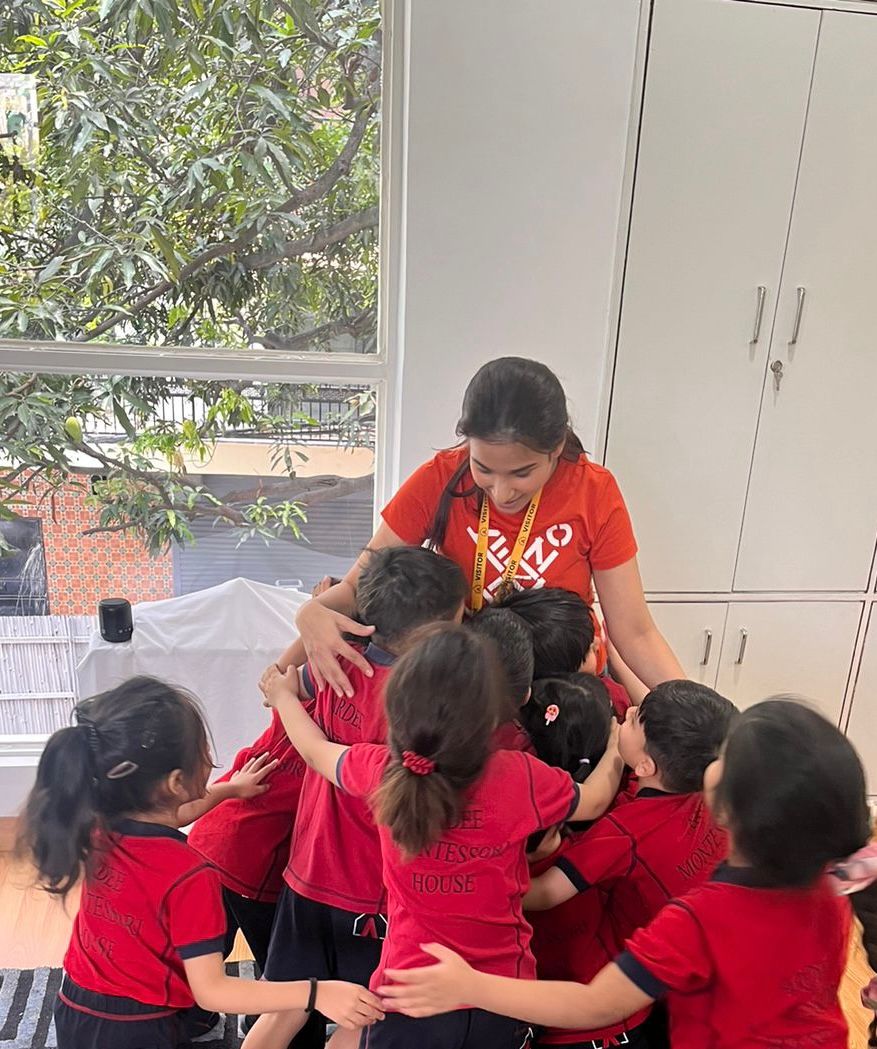
I work across early childhood, education, inclusion, communication, design and children’s literature — creating books, working with children and educators, developing projects and exploring what changes when we look at the world from the child’s side.
Before asking a child to adapt, ask what we could change.
The scale
4
Books authored
1,500+
Children reached
2,000+
Books circulated through Book Nook
24+
Schools & learning spaces made more inclusive
10+
Cities across India touched
22+
Speech therapy professionals contributing to SIGN SLEEVE
The central idea
I KEEP COMING BACK TO ONE QUESTION: WHAT CHANGES WHEN WE STOP ASKING CHILDREN TO ADAPT, and start changing the world around them?
Initiative
The Little Listeners Club
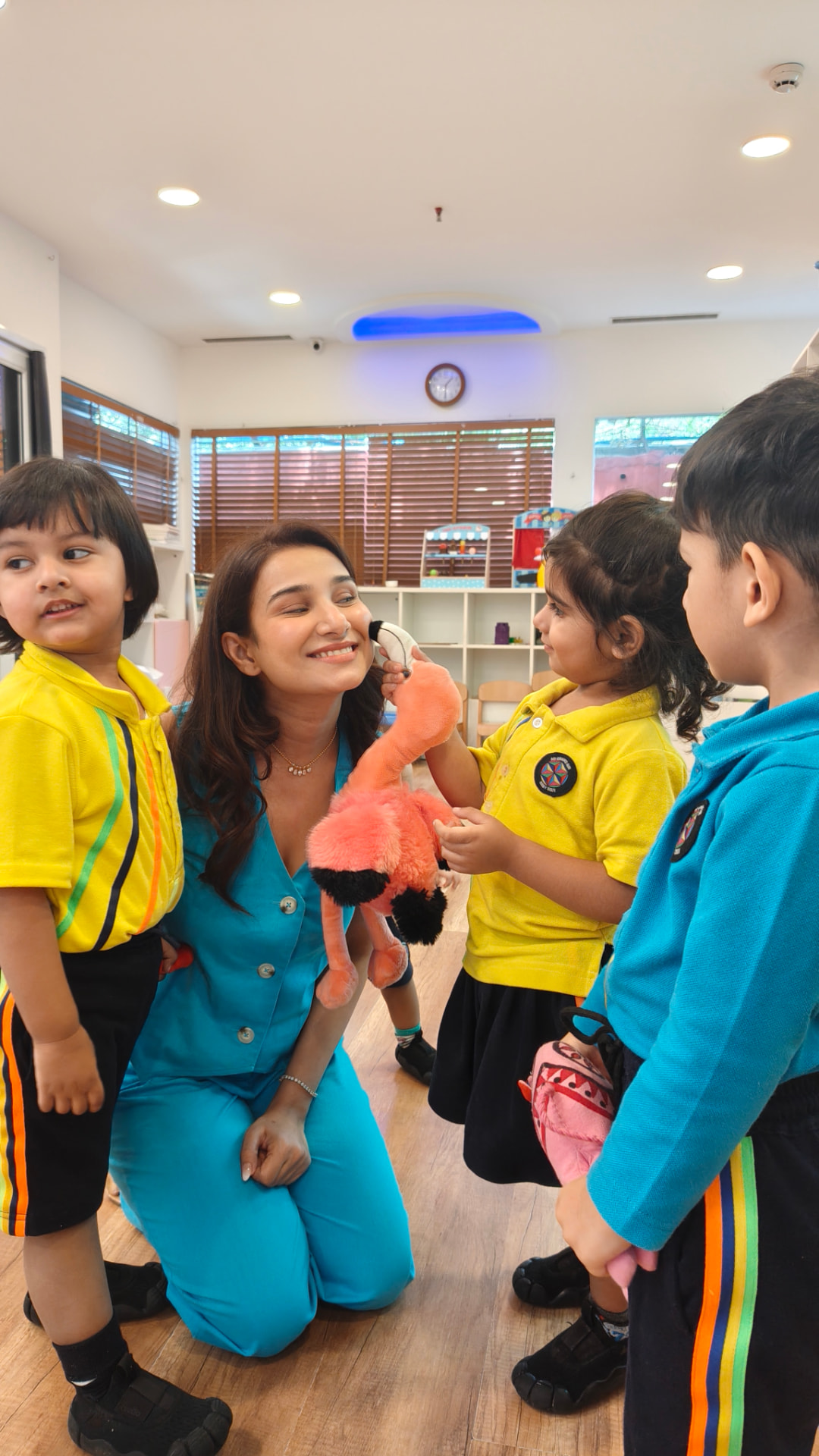
We work with children. And we work for children.
Little Listeners Club is a childhood initiative founded by Spardha Chaturvedi — Author, Designer, Early Childhood Development Strategist, Inclusive Education Advocate and Sign Language Practitioner.
Through books, creative expression, inclusive communication, educator enrichment, reading spaces and conversations around childhood, we create work that helps children be heard, understood and given room to be children.
With Children
Creative expression · Stories · Basic Indian Sign Language · The joy of simply being a child
With Caregivers
Nurturing the Nurturers · Inclusive classrooms · Basic Indian Sign Language · Space for the people who hold up the classroom
With Communities
Schools · Storytelling spaces · Reading access · Conversations that make childhood feel lighter
Sometimes the most important thing we can give a child is our attention.
Space to feel, imagine, question and be heard.
Journey
Is this all the impact I’m going to have?
It started with access — teaching, computer education, rehabilitation work — long before books, schools or childhood became the centre of the work.
Enter the journeyA body of work in motion.
Books
Childhood explored through humour, observation, imagination and movement.
Explore →SIGN SLEEVE
A communication system that prepares the adult, not the child.
Explore →The Little Listeners Club
Books that grew into storytelling, schools and conversations.
Explore →Book Nook
Take a book. Give a book. Reading access through circulation.
Explore →Nurturing the Nurturers
Space for the people who hold up the classroom.
Explore →Dear Childhood
A living archive of voices thinking about childhood.
Explore →
Inclusion
What would we change if we stopped asking the child to fit?
Access should be a right. Inclusion should be the starting point — in the environment, the classroom, communication, materials and expectations, before a difference has been identified.
Collaborators
The work grows through the people and places that shape it.
Schools, learning spaces, educators, professionals and communities across India have been part of this — from classrooms to reading corners, from conversations to co-creations.
Conversations
Conversations around childhood
A series of honest exchanges with people who think, work and live alongside childhood.
Different voices. One shared question: what does childhood need from us?
There is more to come.
- More children to meet.
- More things to understand.
- More ideas to make real.
- More ways to make access ordinary.
- More ways to make inclusion part of the beginning.